NTK 2026 five-capital model: what it means for Chennai as proposed technology capital
Elections desk — decentralisation at manifesto scale.
NTK distributes state functions across five cities; Chennai would be framed as technology capital rather than the sole administrative core—opportunity and adjustment both apply.
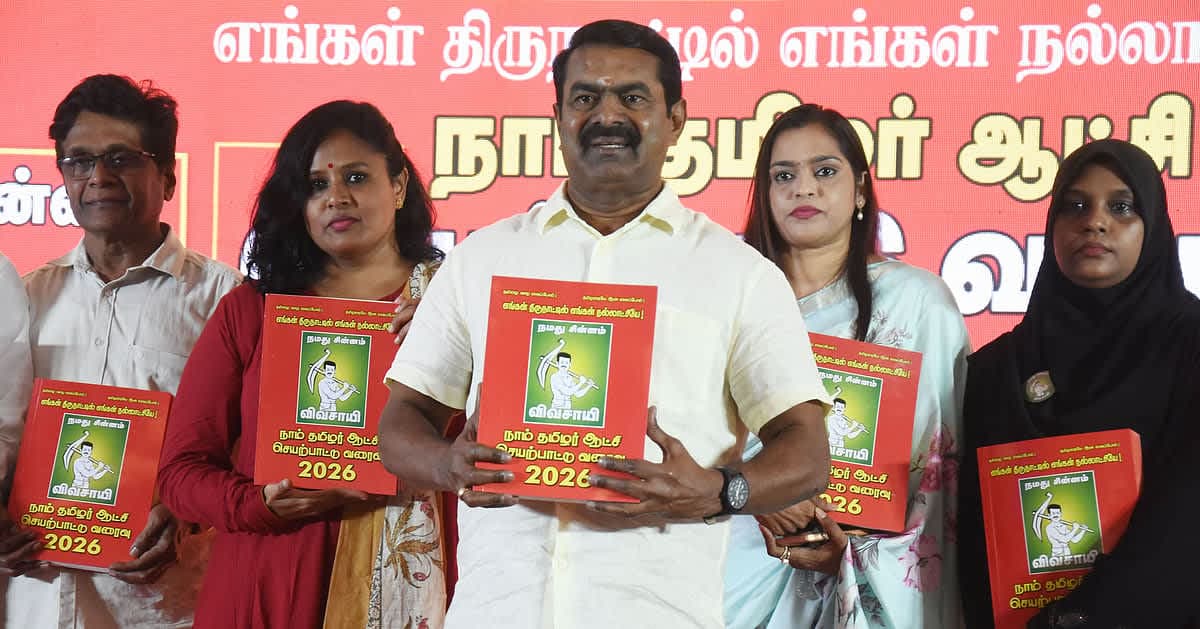
NTK 2026 five-capital model: what it means for Chennai as proposed technology capital — Elections, Chennai local news
Location
Kodambakkam · T. Nagar
Published
26 Mar 2026
Topic
Elections
Primary source
mychennaicity.in analysis
Status
Published & verified editorial
What we know
What the model proposes
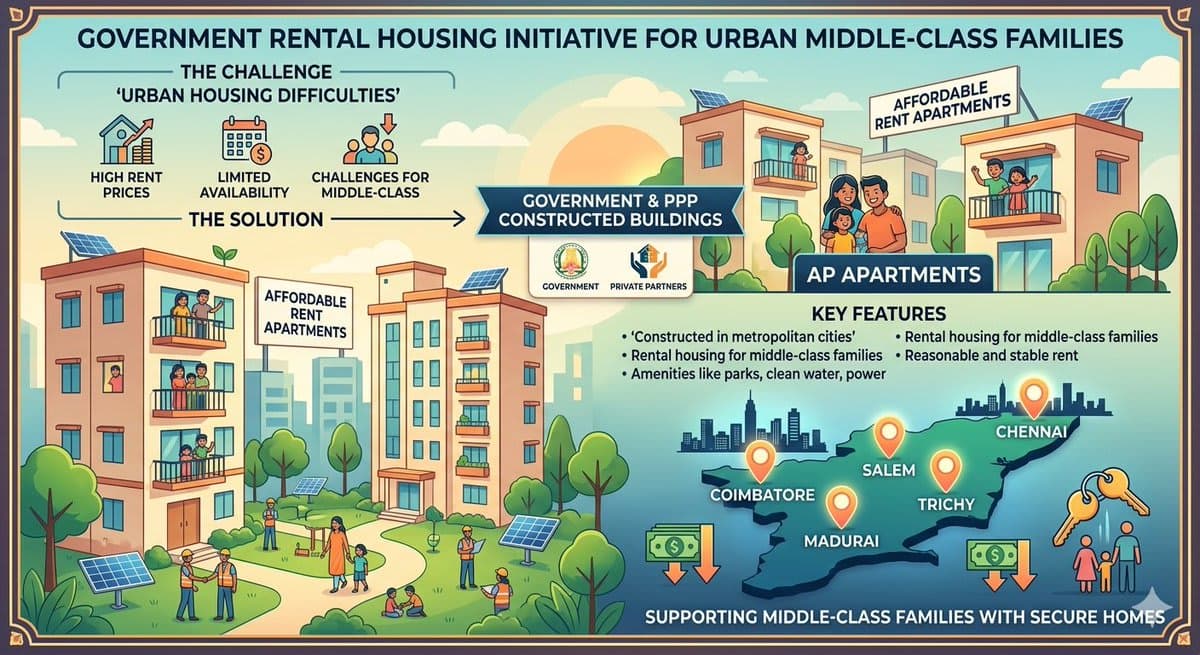
As publicly described, a five-capital framework assigns functional roles across major centres, including:
- Chennai — technology hub / capital
- Coimbatore — industrial and business capital
- Tiruchirappalli — administrative capital
- Madurai — cultural centre
- Kanyakumari — philosophical centre
The pitch is decentralisation architecture, not cosmetic branding.
What this means in Chennai
Local impact, institutions, and what residents should watch next.
Chennai: upside and risk
Possible advantages: formal recognition of Chennai’s technology depth; potential easing of single-node administrative overload over time; statewide balance could reduce one-city pressure.
Stakeholder concerns: redistribution of some institutional centrality; transition risk on coordination and service delivery; unclear sequencing of what stays in Chennai versus what moves.
If implemented seriously: Chennai’s role might specialise around tech, innovation and high-value services while administrative concentration shifts partly elsewhere—power geography becomes more networked.
Reality check: implementation hinges on legal pathway, budget, department sequencing, political continuity, and often Union-state cooperation.
Editorial read (neutral): structurally ambitious; forces debate on concentration of power. For Chennai it is not a simple gain/loss—it is a potential redefinition from all-purpose capital to technology anchor in a distributed system. Without sequencing, legal clarity and financing detail, the model remains a vision more than an immediately deployable programme.
Official sources
This page is an editorial rephrase and analysis based on publicly reported information. Read the original source for full context.
Explore the site
More from mychennaicity.in
Chennai today, local news, jobs, events, gold rate, and a moderated WhatsApp community — one city desk.
- Chennai today60-second morning card
- WhatsApp communityModerated Chennai updates
- Chennai local newsCivic desk & neighbourhood stories
- Afford this areaTake-home vs rent check
- Jobs in ChennaiOpen roles across the city
- Which Chennai are you?Playful neighbourhood quiz
New here? How to use mychennaicity.in — guides for residents, job seekers, admins, and more.
Promote your business to Chennai readers
Get visibility across local news, events, jobs and area pages.
Reader group: The my chennai city reader group — short updates and civil discussion, same standards as the site. Opens WhatsApp after you tap.
Tip the Chennai desk
Spotted something we should look at — safety, civic works, consumer rip-offs, or a human story? A short message is enough; links and dates help.